Hair loss is one of the most common concerns men face, and one of the leading causes is male pattern baldness. Also called androgenetic alopecia, this condition is hereditary and can start earlier than many expect. Some men notice the first signs in their late teens or twenties, while others begin to experience changes in […]
When people notice more strands of hair in the shower drain or on their pillow, the first question that often comes to mind is: Am I shedding hair normally, or is this actual hair loss? While the terms may sound interchangeable, hair shedding and hair loss are not the same. Understanding the difference can help […]
Hair loss affects millions of men and women worldwide, often leading to concerns about appearance and self-confidence. While many temporary treatments exist, hair transplants offer a long-term solution that restores natural hair growth. If you’ve ever wondered, how do hair transplants work? you’ll find that the procedure is based on moving healthy follicles from […]
What Causes Hair Loss? Hair loss is one of the most common conditions affecting both men and women worldwide. While it is often associated with aging, it can occur at any stage of life due to a variety of underlying factors. For many people, losing hair can impact not only appearance but also confidence and […]
Hair thinning is a concern that affects both men and women — often long before they’re ready to consider surgical hair restoration. At Bernstein Medical, we understand that not every patient wants or needs a transplant. That’s why we’re excited to introduce a new, non-invasive solution: Alma TED. Alma TED is a clinically guided, needle-free […]
Originally posted at https://www.today.com/shop/hair-loss-versus-shedding-rcna177054 Plus, why you might be experiencing each one. By Emma Stessman When you notice a clump of hair in your brush or a few more strands than usual going down the drain on a wash day, it’s natural to feel a little concerned. But the truth is, we’re all losing hair […]
Originally posted at https://www.vogue.com/article/best-hair-growth-serum Hair rarely stays the same, shifting in its thickness and texture with time, amid stress, and through health changes like pregnancy and menopause. The best hair growth serum can help; it won’t necessarily restore your hair to normalcy, but rather establish a foundation that spurs hair growth, thus helping offset the […]
How Soon After a Hair Transplant Can I Wear a Hat and Are There Any Restrictions? Undergoing a hair transplant is a significant step toward restoring hair growth and confidence. However, the post-operative period requires careful attention to ensure the best results. One of the most common questions patients ask is, “How soon after a […]
Most people experience hair loss because of androgenetic alopecia (pattern baldness), which at least in men, is highly genetic. We know much less about female pattern baldness. Male pattern baldness happens when hair at the top of the scalp reacts to male sex hormones (androgens). Female pattern baldness, however, is much less understood—we don’t know […]
Like wisdom and smile lines, gray hair is something that most people are graced with as the years go by. So if you’re noticing silver, you’re not alone: A study found that 74% of people between the ages of 45 and 65 had at least some gray hair. And while some embrace their grays, others turn to the trusted antidote, hair […]
So, you have undergone a hair transplant procedure, and now you are itching to get back to your regular grooming routine. One question you may have is, “When can I get a haircut after a hair transplant?” In our practice at Bernstein Medical – Center for Hair Restoration, medical director and hair transplant surgeon, Dr. […]
Hair transplantation has emerged as a highly sought-after and extremely reliable solution for hair loss. For many, it does not just restore hair, but also the confidence of millions of people around the world. Despite the continuous advances in technology and techniques, some hair transplants still, unfortunately, fail. Understanding the reasons behind these failures is […]
Introduction Hair loss is a common concern for both men and women worldwide. While there are various treatments available to combat hair loss, hair transplant surgery remains one of the most effective solutions. However, a common question among individuals considering hair transplants is whether the color of hair affects the outcome of the procedure? Let’s […]
Originally posted at https://www.prevention.com/life/g60399264/best-shower-filters/Opens in new window Our experts say softer water may help improve manageability, moisture levels, and overall hair quality. Our top picks Best Overall Shower Filter Jolie Skin Company Filtered Showerhead Read more Best Value Shower Filter GE System Shower Filter Read more Best Handheld Shower Head with Filter […]
Hair loss can take a significant toll on self-confidence and quality of life, prompting many individuals to seek effective solutions to combat thinning hair or balding. Two popular medications commonly prescribed for hair loss treatment are Rogaine (minoxidil) and Propecia (finasteride). Both are successful products for millions of men and women around the world to […]
Hair loss can be a distressing experience for many individuals, impacting their self-esteem and confidence. Fortunately, advancements in medical technology have made hair restoration procedures more accessible and effective than ever before. However, selecting the right surgeon for your hair restoration needs is crucial for achieving optimal results. In this comprehensive guide, Castle Connolly Top […]
Understanding the Difference Between Crown and Hairline Balding Hair loss is a common concern that affects millions of people worldwide, with male and female pattern baldness being the most prevalent forms. While hair loss can manifest in various patterns and areas of the scalp, two primary areas of concern are the crown (vertex) and the […]
Hair Transplant Cost: Is It Worth Paying More in the United States? Are you considering a hair transplant to restore your confidence and reclaim your youthful appearance? If so, you’re not alone. Hair loss affects millions of people worldwide, and many are turning to hair transplantation as a permanent solution. However, one of the most […]
Here is a question we receive often from patients: Which hair loss medication works best, and do I need to take it orally, or is topical application sufficient? Read on to hear what Dr. Christine Shaver, dermatologist at Bernstein Medical – Center for Hair Restoration, says on the topic. Which is more effective—topical or oral […]
Both Follicular Unit Transplantation (FUT) and Follicular Unit Extraction (FUE) procedures are performed at Bernstein Medical – Center for Hair Restoration. Here are the top reasons why this is so important and something that is unique to our practice. 1. FUT and FUE are both excellent techniques, but have different indications for their use; therefore, […]
Most men who have hair loss are experiencing common genetic thinning based on their family history. Did you know there are other reasons why men can also lose hair? The following are the top 5 reasons why men can experience hair loss. Interestingly, one of them – scarring hair loss – is actually on the […]
Dr. Christine Shaver was recently interviewed by Allure magazine about the future of hair loss. In the published article, Dr. Shaver talked about why female hair loss can often be harder to treat than male hair loss. In men, the hormone DHT is the main culprit behind genetic hair loss. The main way to treat […]
There are many reasons you can experience hair loss. Stress can be one of the main causes, , but hair loss from stress is not necessarily permanent. As you get your stress under control, stress-related hair loss can improve. Your doctor’s advice can be helpful in addressing these issues. How do I know my hair […]
Your skin isn’t the only feature that shows the signs of aging. As you get older your hair begins to change, too. Here are the most common changes in your hair that you may notice as you get older, including advice on how to address these issues. Graying Graying is due to the loss of […]
This year, Dr. Christine Shaver represented Bernstein Medical – Center for Hair Restoration at the International Society of Hair Restoration Surgery (ISHRS).
Since the COVID-19 pandemic reached the U.S., more Americans are experiencing hair loss as more are also suffering from coronavirus. However, is this a new symptom of the virus or is it a separate medical condition? Speaking to Men’s Health, Dr. Christine Shaver said, “we’ve seen many more patients with shedding who are stressing out […]
In order to protect our patients, doctors and staff, we have installed a UV air purification system to reduce potential exposure to COVID-19.
Dr. Bernstein and Dr. Shaver recently attended the 27th Annual ISHRS World Congress in Bangkok, Thailand. This five-day conference was held November 13-17, 2019, at the Shangri-La Bangkok Hotel and King Chulalongkorn Memorial Hospital in Bangkok, Thailand, and was attended by nearly 1,000 physicians and their surgical assistants seeking to expand their knowledge of the latest medical and surgical hair restoration therapies.
Dr. Christine Shaver, head of Bernstein Medical’s Manhattan office, has seen complex and varied causes of female hair loss over her career as a dermatologic surgeon. She recently spoke to SheFinds.com about whether women can use minoxidil, a hair loss treatment that is more often recommended for men with genetic thinning. While men and women […]
After a long wait, there is a potential new development in the field of hair loss drug treatments. Kintor Pharmaceuticals, a Chinese drug company, has developed a new androgen receptor targeted drug called KX-826. The medicine is applied in topical form to the scalp and works by reducing the ability of dihydrotestosterone (DHT) to attach […]
Dr. Bernstein’s dedication of more than 20 years to the advancement and perfection of surgical hair restoration techniques have consistently earned him top awards in the field. Dr. Bernstein has been listed in Castle Connolly America’s Top Doctors for the 20th year. This list, published in New York Magazine, identifies the top medical specialists in the United States and organizes them geographically within each specialty. Castle Connolly’s physician-led research team uses an extensive surveying process of over 50,000 American doctors each year to curate this list who are at the very top of their field.
A new research finding out of Seoul, South Korea, shows that it may be possible to escape the limitations of one’s own hair using a friend’s hair follicles. The researchers at Seoul National University Hospital (SNUH) discovered a method that allows hair loss patients to receive other people’s healthy hair without taking immunosuppressants. The study, done on mice, proved that new hair can grow using this method.

On our Facebook and Instagram feeds, billboards, on the side of buses, and lining the walls of the subway, are ads of young, attractive men with voluptuous locks and titles saying things like “Hair loss is optional” and “Handsome, healthy you.” These are the ads for the millennial men’s wellness brand, Hims. Hims, and fellow start-up Keeps, offer hair loss solutions (that would normally be prescribed in-person, by a doctor) in one simple package to your home.
Dr. Bernstein and Dr. Shaver attended the 26th World Congress of the International Society of Hair Restoration Surgeons (ISHRS). At the congress, Dr. Bernstein introduced the newest robotic technology in the field of hair transplantation, the ARTAS iX, to an audience of over 550 hair restoration physicians.
Dr. Bernstein was recently a guest on “The Beauty Doc” podcast with a master of oculoplastic & facial plastic surgery, Dr. Joel E. Kopelman. Here, they discussed causes of hair loss in both men and women, the difference between hair falling out and balding, both the mental and physical effects of hair loss, when to come in for a consult and medical and surgical treatments for hair loss.

Capsule is a digital pharmacy that connects to your doctors and insurance companies directly and delivers your medicine straight to your door – anywhere in New York City. Capsule works to build the first “holistic” pharmacy that simplifies the process for all parties involved – patients, doctors and insurers. The service allows the doctor to call in a prescription to a Capsule trained pharmacist, who will fill the prescription that gets delivered to you.
Dr. Bernstein’s revolutionary work in developing hair transplant techniques that have tremendously increased the standard of care within the field of hair restoration aligns with Capsule’s focus on patient care and innovation. Dr. Bernstein was interviewed by a journalist from Capsule about his ongoing role in the advancements of hair transplant surgery.
 International Society of Hair Restoration Surgery (ISHRS)
On March 6th, 2018 the International Society of Hair Restoration Surgery announced an update to the terminology of the FUE hair transplant technique. FUE historically stood for Follicular Unit Extraction but has now been changed to Follicular Unit Excision. The change in terminology is intended to emphasize the surgical nature of the procedure.
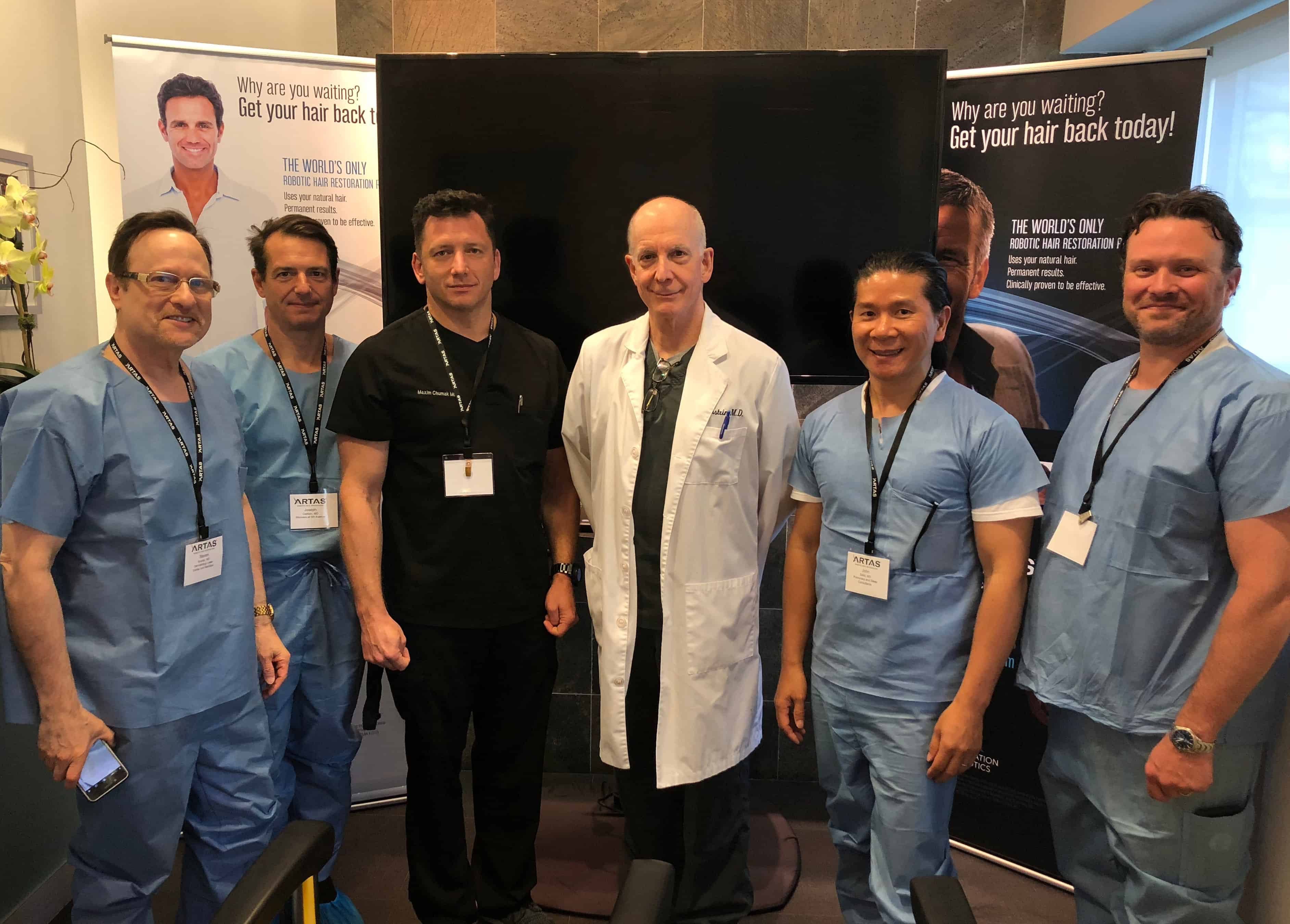 First Master Class in Robotic Hair Restoration
May 11th, 2018 – Robert M. Bernstein MD, a pioneer in modern hair transplantation, led five robotic hair restoration physicians in an intensive master class focusing on ARTAS robotic techniques, surgical planning and aesthetics. The day included a live ARTAS Robotic FUE procedure, a series of twelve presentations and a Q & A period. The ARTAS Hair Transplant System, developed by Restoration Robotics, is the only robotic system in the world designed to aid surgeons in hair restoration procedures.

An article in the New York Times discusses research surrounding a potential new hair loss treatment. The NY Times’ article “Old Transplant Drug May Have A Fringe Benefit” states that an immunosuppressant used to prevent organ rejection in those having liver, kidney or heart transplants also stimulated hair growth.
 On March 9th, 2018 at the 2018 ARTAS Users Meeting in Las Vegas, Nevada Dr. Robert M. Bernstein, a Clinical Professor of Dermatology at Columbia University and founder of Bernstein Medical – Center for Hair Restoration, presented the latest in Robotic Hair Transplantation using the ARTAS® Robot. Dr. Bernstein described the benefits of the new technology, such as decreased time and increased accuracy of the robotic procedure. Dr. Bernstein Presenting Long-Hair Robotic FUE and software and hardware updates of that ARTAS 9x; such as white LED lights that are easier on the users’ eyes, a base extender, smaller size needle options, a more ergonomic headrest, automated scar detection, faster harvesting, and streamlined ARTAS Hair Studio software.

There has been a lot of news recently circulating the web about a new way to help you grow your hair back; eating McDonald’s French fries. This theory is based on the findings of Professor, Junji Fukada of Yokohama University in Japan. Fukada and his team of researchers have studied the form of silicone called “dimethylpolysiloxane” that is used in frying oil at McDonalds to reduce frothing. Read more!
 Dr. Robert M. Bernstein were guest speakers in the ARTAS live webcast series where they discussed “What’s New in Robotic FUE.” They spoke to over 100 fellow surgeons and their staff on advances in robotic hair transplantation and led a Q and A session about the ARTAS Robotic System.
 There has been a change in the terminology of the FUE procedure, it will now be called Follicular Unit Excision. This describes the two main components of an FUE procedure, incision (the separation of the follicular unit from the surrounding tissue) and extraction (the removal of the follicular unit from the scalp once it is separated). It is important to note that this is just a change in terminology, not in the technique itself. Click to read more!
 Dr. Bernstein addresses the common myth that hair loss is inherited exclusively from the mother’s side of the family – and, more specifically, from your mother’s father. While your mother’s (or maternal grandfather’s) genes can be the culprit, the characteristics of your hair are influenced by many different genes that may come from either or both sides of your family.
 On Friday, October 6, 2017, Dr. Bernstein presented the advances of the most recent upgrade of the ARTAS Robotic Hair Transplant System, the ARTAS 9x at the 25th Annual Conference of the International Society of Hair Restoration (ISHRS).
 Like many women, Alden Wicker felt self-conscious about her naturally high hairline and burdened with the high-maintenance of trying to keep her bangs perfectly positioned to cover her forehead. Alden discovered an article on Dr. Robert M. Bernstein, founder of Bernstein Medical – Center for Hair Restoration and pioneer of Follicular Unit Transplantation, and decided to see if he could fix her hairline. In an article she contributed to Racked, an online magazine published by Vox Media, Ms. Wicker describes her experience with Bernstein Medical and how thrilled she is will the results of her hair transplant.
 In appreciation of National Hair Loss Awareness Month, Bernstein Medical has launched a fundraiser for the ISHRS’s pro bono program, ‘Operation Restore’. This program provides free hair transplants for those who experience localized hair loss due to trauma or illness.
 Robert M. Bernstein, MD, MBA, FAAD has been recognized by his peers with inclusion in his eighteenth consecutive edition of New York Magazine’s annual ‘Best Doctors in New York’ issue. Dr. Bernstein helped re-invent hair transplant surgery by pioneering the Follicular Unit Transplantation (FUT) procedure and by becoming an early proponent of robotic hair transplant surgery (Robotic FUE). He is the only hair restoration surgeon named to the prestigious “Best Doctors” list for as many years. Of being included in the 2017 issue, he said: “New York has some of the finest doctors in the world, so to be considered among the best by my peers is quite an honor. It is equally satisfying when a patient tells us that we helped change their life.”
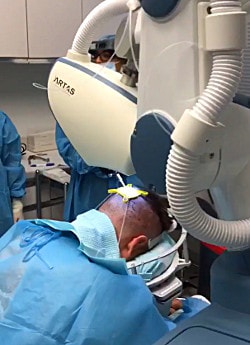 In April 2017, Bernstein Medical became the first hair restoration practice to perform robotic hair transplant surgery using the new ARTAS Robotic System 9x. ARTAS 9x is a major upgrade of the hair transplant robot, enabling faster and more precise Robotic FUE procedures. Some of the hardware improvements to the system include a white light LED, color camera and tensioner, 20-gauge harvesting needle, robotic base extender, new needle mechanism cover, and more comfortable headrest and halo. Software upgrades include better scar detection, faster harvesting, ability to zoom in to the main viewing screen, and improved ARTAS Hair Studio software.
 Dr. Bernstein closed the 2017 ARTAS Users Meeting with a discussion of five advanced techniques in robotic hair transplant procedures that he developed at Bernstein Medical. His presentation covered the benefits of pre-making recipient sites, long-hair FUE, tensioner placement, feathering edges in harvesting, and robotic graft selection. The “Hair Restoration Pearls” presentation included case studies, photographs, and videos demonstrating the techniques to the audience of hair restoration physicians. The two-day affair; which was held in Coronado, California; was a huge success, with over 260 attendees from around the world representing 204 robotic hair restoration practices.
 Onalytica, a company that provides Influencer Relationship Management software and services, has named Dr. Bernstein one of the top influencers (#39 out of 100) on the topic of robotics due to his pioneering work in robotic hair transplant surgery with the ARTAS Robotic System.
 Dr. Bernstein presented results of his study, “Robotic Follicular Unit Graft Selection,” at the 2016 ISHRS World Congress held in Las Vegas, Nevada. Graft selection is a key advance in the ARTAS Robotic Hair Transplant System, a hardware and software suite that automates aspects of the Follicular Unit Extraction (FUE) hair transplant procedure. The enhancement makes Robotic FUE more efficient and improves patient outcomes.
 Dr. Bernstein was featured in a wide-ranging interview published in the New York City-based, Japanese language magazine NY Japion. Among the topics discussed were the differences between FUT and FUE hair transplants, updates on robotic hair transplant technology, the type of procedure most beneficial for Asian patients, criteria that determine candidacy for a hair transplant, and more.
 Robert M. Bernstein, MD, MBA, FAAD, FISHRS, a Clinical Professor of Dermatology at Columbia University in New York and distinguished pioneer of modern hair transplant surgery, was included for the seventeenth consecutive time in the ‘Best Doctors’ edition of New York Magazine. Dr. Bernstein was selected by his peers as one of New York’s top doctors on account of his prominent work in developing Follicular Unit Transplantation (FUT), Follicular Unit Extraction (FUE), and Robotic Hair Transplantation (Robotic FUE).
 Dr. Bernstein has a long affiliation with New York-Presbyterian Hospital, the teaching arm of Columbia University’s College of Physicians and Surgeons. In U.S. News & World Report’s 2016-17 survey of America’s best hospitals, New York-Presbyterian was rated #1 in New York and #6 overall in the country.
 Hair transplant pioneer Dr. Robert M. Bernstein and his colleague Dr. William R. Rassman have received a patent on a new method that improves the outcome of Follicular Unit Extraction (FUE) – the type of procedure used in half of all hair transplants performed world-wide. The key invention is the addition of a delay between the creation of recipient sites and the insertion of follicular units into those sites. The delay allows the healing process to commence before grafts are inserted, resulting in increased success of the transplant and an improved outcome.
 As the taboo of women’s hair loss gradually dissipates, more women than ever are seeking treatment for hair loss caused by stress, pregnancy, genetics, and a variety of other medical conditions and behavioral causes. Dr. Bernstein is quoted in an article in the New York Post identifying the upward trend of women seeking hair loss treatments.
 Dr. Andrew Ordon — Emmy-nominated co-host of the award-winning talk show “The Doctors” — and Dr. Robert Bernstein met at Bernstein Medical – Center for Hair Restoration in New York City on March 3, 2016 to discuss the latest advances in robotic hair transplantation.
 Dr. Robert M. Bernstein, a pioneer of robot-assisted hair transplantation, presented results of a study on a major new advance in robotic follicular unit harvesting, a key step in the surgical procedure, at the 2016 ARTAS User Group Meeting in Dana Point, CA. He reported that the new robotic technique resulted in a clinical benefit of up to 15% more hairs per harvest attempt and 11.4% more hairs per graft than with the current iteration of the ARTAS® Robotic Hair Transplant System. The improvement in graft harvesting should result in better aesthetic outcomes for patients, and this will have wide implications around the world as robotic hair transplant procedures are booming in popularity. Dr. Bernstein presented the findings to a “who’s who” group in the new field of robotic hair restoration surgery at their annual meeting held on February 20th, 2016.
 Gone are the days when women plucked their eyebrows to a tiny strip of hair. Thicker, more full eyebrows are “in,” reports New You magazine in “A Vision of Youthful Loveliness.” Women with eyebrows that are severely thin — from over plucking, aging, trauma, or dermatological conditions — have turned to physicians for help, and Dr. Bernstein, for one, has an answer: eyebrow transplantation.
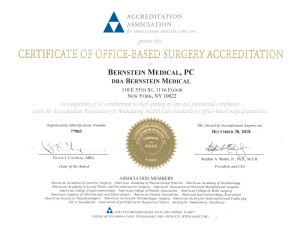 Bernstein Medical – Center for Hair Restoration is pleased to announce that we have, once again, been certified by the Accreditation Association for Ambulatory Health Care (AAAHC). The three-year accreditation is granted to medical centers that demonstrate high standards in delivering patient care, expert record keeping, the most rigorous safety protocols, as well as a commitment to developing new ways to provide optimum service to our patients.

Dr. Bernstein was interviewed for an article in NYCityWoman.com that ran the gamut of available treatments for hair loss in women. Read for some select quotes on a wide range of topics related to hair loss in women and treatments for female patients with androgenetic alopecia (common genetic hair loss).
Dr. Bernstein was quoted in an article on NYCityWoman.com, where he spoke about the risks associated with popular hair extensions, such as weaves, wefts, and similar clip-in or add-on pieces. Extensions are a stylistic choice that allow women to dramatically change their appearance. However, their frequent use can contribute to a type of hair loss in women called traction alopecia – hair loss around the frontal hairline and temples caused by tight hairstyles pulling on the follicles.

Dr. Bernstein appeared as a guest on The Bald Truth, where he was interviewed by Spencer Kobren, the show’s host, about the ARTAS® Robotic System for FUE hair transplant surgery and the latest updates to the robotic system. He also discussed increasing demand for both FUE procedures and hair transplants, in general, around the world.
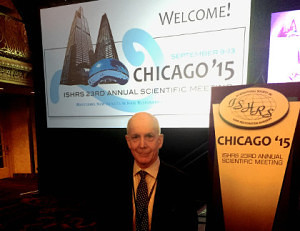
Small, simple modifications in the sequence of the major steps in a Follicular Unit Extraction (FUE) hair transplant procedure will be beneficial to healing and growth following the procedure, says renowned hair restoration surgeon Dr. Robert M. Bernstein. Presenting at the 23rd Annual Scientific Meeting of the International Society of Hair Restoration Surgery (ISHRS) in Chicago, Illinois, Dr. Bernstein detailed how making recipient site incisions before harvesting follicular unit grafts can improve the outcome of an FUE procedure.
For years, it was standard operating procedure in an FUE hair transplant to first harvest follicular units, then create recipient sites in the balding areas and place the extracted units into these sites. This practice persisted despite the fact that hair restoration physicians had known for years that prolonged periods of time outside the body decreased survival of follicular unit grafts. With the widespread adoption of FUE, and the long time needed for the extraction phase of the procedure, Dr. Bernstein looked for ways to streamline the process.

Dr. Bernstein contributed to an article published on the cosmetic surgery portal “Cosmetic Town” about the benefits and usage of Rogaine® (minoxidil) hair loss medication.
The article also discusses the recommended dosage of Rogaine, a comparison of Rogaine and Propecia, when a patient can expect to see results of medical treatment of hair loss, and other related topics.
The 2015 hair restoration practice census, published by the International Society of Hair Restoration Surgery (ISHRS), showed that hair transplantation is an increasingly popular treatment for hair loss.
The biennial survey found that 397,048 procedures were performed in 2014, an estimated increase of 28% over the previous survey, published in 2012. Three prior surveys found increases of up to 12%, so the rate of surgical hair restoration seems to be accelerating.

Dr. Bernstein was quoted in a New York Post article on the growing popularity of surgical hair restoration. In the article, Dr. Bernstein explained how celebrity hair transplants have become a driving factor behind the fading of the decades-long stigma of hair transplants.
 On being chosen for his sixteenth consecutive ‘Best Doctors’ issue, Dr. Bernstein said: “I am honored to be considered among the best doctors in New York and it is a credit to the hardworking staff at Bernstein Medical that, after two decades of incredible progress, we are still making significant advances in the surgical treatment of hair loss.”
Recognition of Dr. Bernstein and his contributions to the field of surgical hair restoration comes as he continues to push the envelope with advances in Robotic FUE hair transplants, improving more traditional hair restoration techniques and exploring adjuvant treatments.
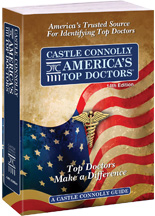 Dr. Bernstein is honored to appear among the top 1% of medical specialists in the country in the 14th edition of Castle Connolly’s America’s Top Doctors.
His inclusion is in recognition of his pioneering career in surgical hair restoration and the treatment of hair loss. Dr. Bernstein has been selected for every edition of the national guide.
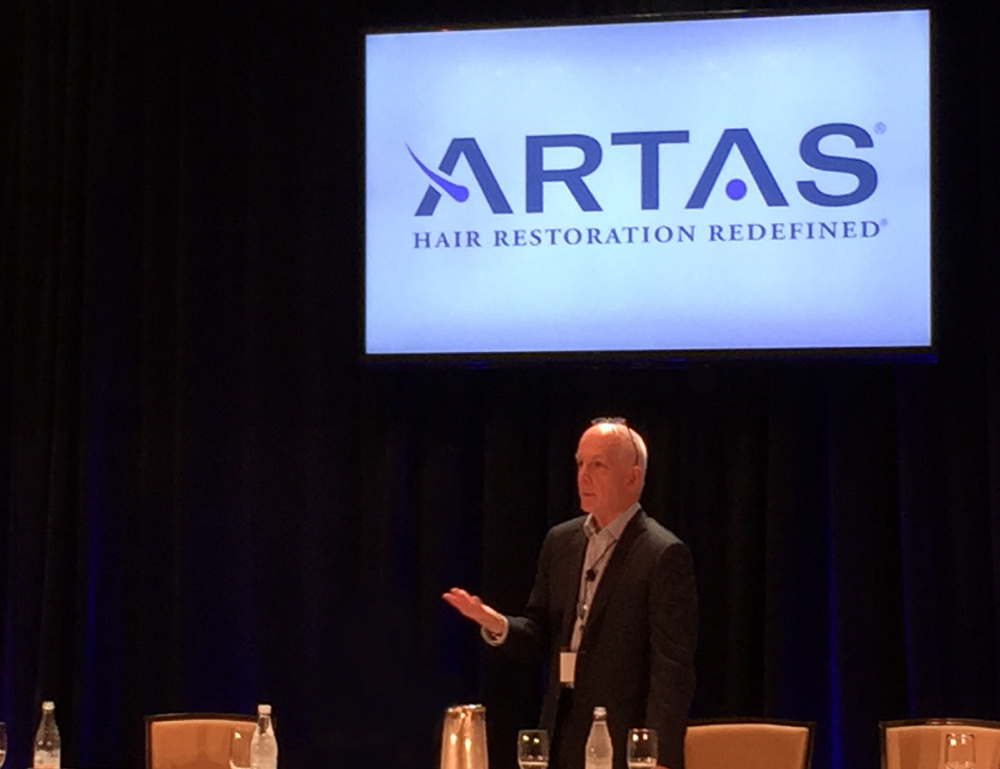
Dr. Robert M. Bernstein introduced a new capability of the ARTAS® robotic system, “Follicular Unit Graft Selection,” at the ARTAS User Group Meeting on February 6-7, 2015 in Newport Coast, CA. He presented the new technology and the preliminary results of a bilateral pilot study of the technique conducted at Bernstein Medical.

Restoration Robotics, the company that developed the ARTAS® Robotic Hair Transplant system, has published a white paper case study on how Dr. Bernstein utilizes the robotic system’s tools to minimize scarring after Robotic FUE.
The case study illustrated that the ARTAS Robotic Hair Transplant system’s suite of tools can minimize the detectability of scars after an FUE hair transplant.

Dr. Robert M. Bernstein presented the ARTAS Hair Studio™ digital hair transplant design software and robotic recipient site creation using the ARTAS® Robotic Hair Transplant system, each advances in key aspects of hair transplantation, at the International Society of Hair Restoration Surgeons (ISHRS) annual meeting in Kuala Lumpur, Malaysia on Saturday, October 11th, 2014.
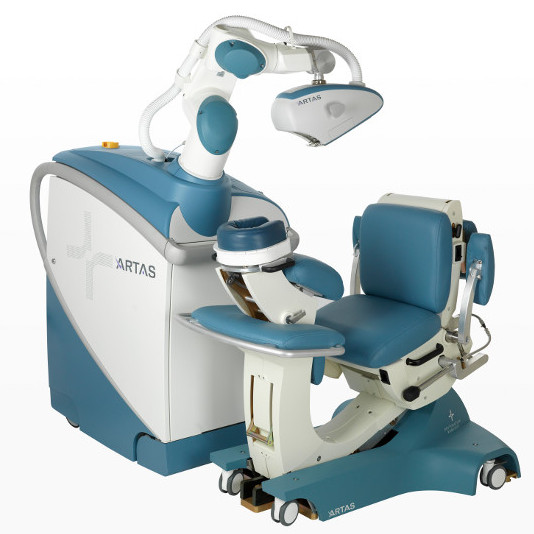 Restoration Robotics, Inc. has announced that the ARTAS® Robotic System has harvested its 10 Millionth Hair, a major accomplishment for the three-year-old robot. The company attributes the success of achieving the 10 Millionth Hair in this short time span to rapid adoption by hair transplant industry leaders, like hair restoration pioneer Dr. Robert Bernstein. The ARTAS robot is the only image-guided, physician-assisted robotic system for harvesting follicular units.

After years of jokes about his continually receding hair line, LeBron James, winner of two NBA championships and four NBA Most Valuable Player Awards, stunned the sports world on September 16th, 2014 when he revealed a newly restored hairline while promoting his new LeBron 12 shoe at Nike World Headquarters.
Folks are now asking – what the heck happened all of a sudden? Where, when and how did LeBron get that great new hair line?
 Dr. Bernstein discusses the breakthrough technology of the ARTAS® Robotic Hair Transplant system — and how the robot has improved since its initial launch — in an article in Health News Digest.
Not only is the mainstreaming of the hair transplant robot changing perceptions of surgical hair restoration in the public eye, says author of the article Wendy Lewis, but the robot is increasingly in demand at the leading hair restoration facilities across the country.

Dr. Robert Bernstein discusses the benefits of the ARTAS Robotic Hair Transplant system in The Aesthetic Guide, a leading periodical in the field of aesthetic surgery. The article examines how robotic Follicular Unit Extraction (FUE) procedures are an improvement over FUE using handheld devices.
 Dr. Bernstein was interviewed by Spencer Kobren on The Bald Truth, the critically acclaimed broadcast on hair loss and hair restoration. They discussed the latest in robotic hair transplant surgery, the ARTAS Robotic System, FUE and FUT hair transplant procedures, and the future of hair restoration.
 Dr. Bernstein introduced new technology that allows the ARTAS Robotic System to accomplish a critical step in hair transplant surgery, the creation of recipient sites. Presenting at the 2nd ARTAS User Group Meeting on February 7th and 8th, 2014, Dr. Bernstein previewed the recipient site creation technology that brings the robotic system one step closer to performing critical aspects of the labor-intensive, hair transplant procedure.
 Dr. Bernstein is featured in Columbia Business, the alumni magazine of the Columbia Business School, for having “revolutionized the field of hair restoration.” The article mentions his pioneering the FUT procedure — now recognized as the “gold standard” in surgical hair restoration — and robotic hair transplant surgery.
 A patient who visited Dr. Bernstein to learn about her hair loss authored an article on her experiences which appeared in the January 2014 issue of Cosmopolitan Magazine. In an article titled, “Thinning Hair Nightmare,” the patient wrote about her struggle in coping with thinning hair, the taboo of talking about women’s hair loss, and ways in which she attempted to overcome these physical and emotional difficulties.
 Dr. Bernstein is honored to be designated an inaugural Fellow of the International Society of Hair Restoration Surgery (FISHRS). He and 60 colleagues make up the first class of fellows to the ISHRS, the world’s leading organization of professionals in the field of surgical hair restoration.
 Dr. Bernstein is credited with introducing the “follicular unit” to surgical hair restoration, the innovation that allowed for a “completely natural-looking hair transplant” to be achieved. The commentary on Dr. Bernstein’s contributions to the field of hair transplantation are outlined in an historical review of dermatologic surgery that appeared in the Journal of the American Academy of Dermatology.
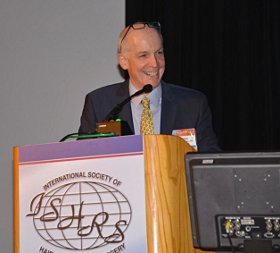 The 21st Annual Scientific Meeting of the International Society of Hair Restoration Surgery was held in San Francisco from October 13 through 26, 2013. The meeting covers the most important scientific and clinical advances in surgical hair restoration.
 Dr. Bernstein was honored to deliver the keynote address at the ARTAS International Users Forum in San Francisco. “Follicular Unit Extraction: Then and Now,” reviewed the evolution of surgical hair restoration from FUT through FUE to the cutting edge technique of Robotic-FUE.
 Dr. Bernstein was included in the ‘Best Doctors’ issue of New York Magazine for the fourteenth consecutive year. The annual special issue of the magazine contains a directory of the New York area’s best physicians. The directory is based on the results of a peer-reviewed survey that is conducted by Castle Connolly, Ltd.
 Dr. Bernstein is ranked as one of New York City’s best dermatologists in the 2013 edition of ‘Super Doctors’.
 Bernstein Medical – Center for Hair Restoration is receiving recognition for leadership in appreciating the value of its workers. The New York State Society for Human Resource Management (NYS-SHRM) has named Bernstein Medical the number one small or medium-sized business to work for in the state. The 2013 ‘Best Companies to Work For in New York’ list placed Bernstein Medical at the top slot, out-ranking companies from New York City as well as Rochester, Syracuse, and elsewhere in the state.
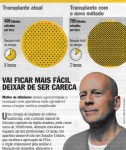 Dr. Bernstein was quoted in an article on robotic follicular unit extraction (FUE) that appeared in Brazil’s Veja Magazine. It is titled, “Vai Ficar Mais Fácil Deixar de Ser Careca,” which translates to, “It Will Be Easier To Stop Being Bald.”

Bernstein Medical Receives National Accreditation for Maintaining Rigorous Standards in Patient Care
 Bernstein Medical – Center for Hair Restoration has received a three-year re-certification for accreditation by the Accreditation Association for Ambulatory Health Care (AAAHC/Accreditation Association).
 Bernstein Medical – Center for Hair Restoration has been named as one of the best companies to work for in New York. Bernstein Medical will be honored at a public awards dinner to be held the Albany Marriott on Tuesday, April 30, 2013.
 The 12th edition of Castle Connolly’s America’s Top Doctors includes Dr. Bernstein for his work in hair transplant surgery and hair restoration. The list of doctors represents just the top 1% of medical specialists in America.
Dr. Bernstein has been included in America’s Top Doctors for the past 12 consecutive years.
 Dr. Bernstein heads discussion on Robotic FUE at the 20th annual meeting of the International Society of Hair Restoration Surgery (ISHRS) which took place October 17-20, 2012. He led a roundtable discussion in the ‘Coffee with the Experts’ session on robotic follicular unit extraction. He was also a panelist at the Finasteride Symposium and gave a presentation on protocol in prescribing Finasteride to hair restoration patients.
 New York, NY (PRWEB) — Robert M. Bernstein, M.D., F.A.A.D., A.B.H.R.S., a world-renowned hair transplant surgeon, presented a series of improvements to hair transplant procedures which use the ARTAS Robotic System for Follicular Unit Extraction (FUE). These updates include revisions to the FUE surgical protocol and technical adjustments to the robotic extraction system. He presented his refinements at the first user meeting held by the developers of the system; Restoration Robotics, Inc.; on September 14 – 16 in Denver, Colorado.
 Hair transplantation for women is in vogue. In more ways than one. Dr. Bernstein was featured in an article in the ‘Beauty’ section of the October 2012 issue of British Vogue.
After describing a visit to Bernstein Medical – Center for Hair Restoration in New York City and giving readers a primer on hair transplant surgery, the article turns to Dr. Bernstein to describe the surge in popularity of the treatment of hair loss in women.
In the latest in a long line of improvements made to hair restoration procedures, Dr. Bernstein has published an article in Hair Transplant Forum International which improves the FUE procedure even further, whether performing follicular unit extraction with the FUE robot or by hand.
In his article, Dr. Bernstein suggests two techniques to enhance the FUE procedure. First, he recommends that surgeons create recipient sites prior to extraction, in order to decrease the time grafts are in their holding solution outside the body. Second, he suggests adding time between site creation and graft harvesting and placement, to allow recipient site healing to progress.
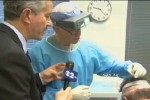 Dr. Bernstein was featured in a CBS News report on robotic hair transplantation. During Dr. Max Gomez’s visit to the Bernstein Medical – Center for Hair Restoration, Dr. Bernstein discusses with Dr. Gomez the difference between FUT and FUE hair transplants, how the robotic system works, and the benefits of extracting hair follicles using robotic FUE rather than by traditional hand-held methods.
 The Super Doctors 2012 list, published by Key Professional Media as a special section in the May 20, 2012 issue of New York Times Magazine, has included Dr. Bernstein as one of New York City’s best dermatologists.
The list is a directory of the area’s best doctors that is derived from a thorough peer-nomination and evaluation process judged by performance on 10 criteria, including: years of experience, hospital appointments and fellowships, professional activities, leadership positions, academic achievements/positions, board certifications, publications and presentations, honors and awards, and other outstanding achievements in medicine.
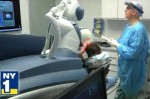 Dr. Bernstein not only pioneers hair transplant procedures, but hair restoration technology as well. The NY1 television station, based in New York City, visited Bernstein Medical to see a demonstration and talk about the newest tool in the hair restoration toolkit, the ARTAS Robot for Hair Restoration.
The NY1 piece shows the robotic FUE system in action at Bernstein Medical, with views of the robotic arm, the image-guided system, the punch tool, and the user interface.
 The January/February issue of Departures Magazine contains a feature called “The State of Plastic Surgery 2012″. The magazine covers topics such as how to find the best plastic surgeon, the use of cells in plastic surgery and the best hair loss therapies.
The section on hair loss offers a timeline of the major advances in the treatment of hair loss since its inception over 75 years ago.
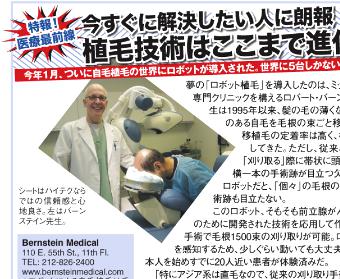 Dr. Bernstein was featured as the cover story of the April 27th edition of NY Japion, a weekly newspaper in the Japanese language, published in the New York tri-state area and distributed for free in the Japanese community.
The article includes an interview with Dr. Bernstein about the latest in hair transplant surgery, including his pioneering use of the ARTAS robot for FUE hair transplantation.
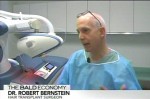 Dr. Bernstein spoke with Bloomberg’s Matt Miller about the future of hair transplantation in a segment called, “The Bald Economy: Surgical Solutions to Hair Loss.” Here is an excerpt from the segment:
Bloomberg’s Matt Miller: Riding the wave into the future happens to be one of the pioneers of FUE, Dr. Robert Bernstein.
Dr. Bernstein: “The robot now allows a mechanized system to do [follicular unit extraction] very, very quickly and very consistently, so that the human error in this part of the procedure is now gone.”
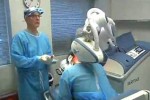 NY1, a New York City television channel, has featured Dr. Bernstein in a segment on robotic hair transplantation.
In the piece, Dr. Bernstein describes why having a computer-driven, image-guided robot is so helpful for hair transplantation. He also discusses the quality of follicular units extracted using the robot.

The February 2012 issue features a section on the “elite league of experts” who celebs are increasingly turning to in order to maintain their high profile image. The article describes Dr. Bernstein as a “pioneer in the world of hair replacement surgery,” and as the hair transplant surgeon of choice for “VIP clients from the world of fashion and entertainment.”
 The January 2012 issue of the Journal of Drugs in Dermatology contains an article, written by Drs. Schweiger and Bernstein, which is the first case study of eyebrow growth from the topical use of bimatoprost.
Latisse (bimatoprost) is a topical medication that is FDA-approved for eyelash growth. Some physicians have used the medication for “off-label” use, such as use with eyelashes and scalp hair. However, until recently, there had not been any published medical literature describing the off-label use.
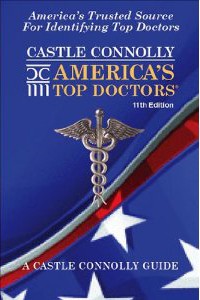 Castle Connolly has published the 11th edition of America’s Top Doctors. Dr. Bernstein is, once again, included on the peer-nominated list of doctors for his pioneering work in hair restoration.
The list represents just the top 1% of medical specialists in America. Dr. Bernstein is the first hair restoration physician to be named to this list for more than 10 consecutive years.
 The New York Times, once again, has recognized Dr. Bernstein’s pioneering hair restoration techniques. The NYT Fashion and Style section noted that he is, “the first hair transplant surgeon on the east coast,” to use the ARTAS robotic system for Follicular Unit Extraction.
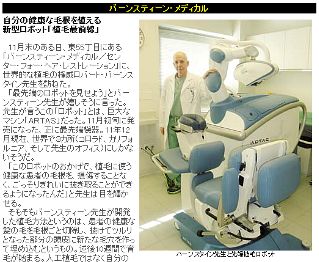 Dr. Bernstein’s pioneering work in developing FUT and FUE hair transplant procedures has influenced hair restoration physicians across the globe. Recently, his use of the ARTAS System for robotic FUE has grabbed international attention, as he was featured in a Japanese magazine.
You don’t have to be interested in a hair transplant to appreciate the advanced technology in the ARTAS system for robotic FUE.
That is why the technology and media website “All Things D” has featured the image-guided robot in an article titled, “All I Want for Christmas is a Robot Hair Transplant.”
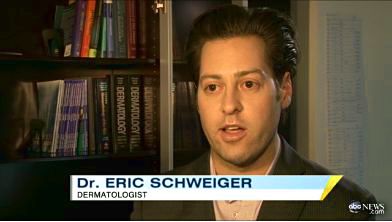 From hair extensions to eyelash enhancement, our resident expert on hair loss in women is on the case. Dr. Eric Schweiger was featured in a segment on Good Morning America where he discussed the enhancement of eyelashes, which he called, “a universal sign of beauty.”
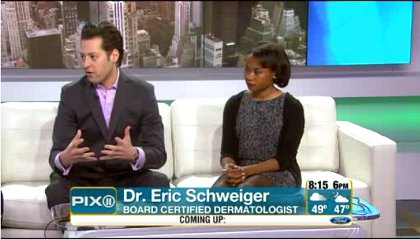 Dr. Schweiger lends his expertise on hair loss in women and cosmetic hair extensions in a segment on PIX 11 television. The interview with Dr. Steve Salvatore focused on the pitfalls of using some types of hair extensions, or using them improperly.
We are pleased to announce that robotic FUE is now available at Bernstein Medical – Center for Hair Restoration. This is a major advance in FUE technology.
The ARTAS system for hair restoration allows us to more effectively isolate follicular unit grafts from the donor area of the scalp without causing damage to individual follicles, a problem that has been a limitation of manual FUE techniques. Many other important parts of the FUE procedure will still be performed by the physician and team.
 Dr. Bernstein is quoted extensively in an article on robotic hair transplantation in the online magazine American Health & Beauty.
In “ARTAS: A Faster and More Accurate Hair Transplant Using Robotics?” Dr. Bernstein explains the benefits of robotic FUE over traditional FUE hair transplant procedures. He describes how the new robotic device overcomes some important limitations of FUE when performed manually. To better understand the role of the new instrument, Dr. Bernstein simplifies the FUE procedure into four basic steps and discusses where the image-guided robotic system fits into this process.
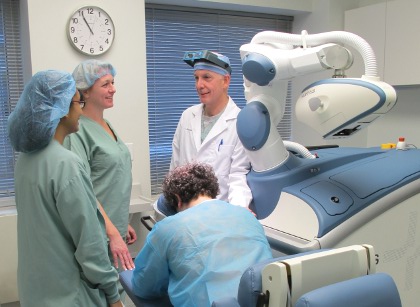 Robert M. Bernstein, M.D., F.A.A.D., world-renowned pioneer of the Follicular Unit Transplantation (FUT) and Follicular Unit Extraction (FUE) hair transplant techniques and founder of Bernstein Medical – Center for Hair Restoration, will become the first hair transplant surgeon on the East Coast to use the robotic ARTAS System for Hair Restoration. Procedures using the computer-driven, automated system will begin in November 2011 in his state-of-the-art New York City facility.
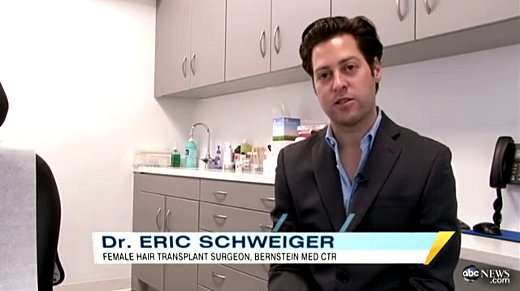 Dr. Schweiger, our resident expert on hair loss in women, was featured in a segment about hair extensions on “Good Morning America” and ABC News online.
While many women extoll the cosmetic virtues of hair extensions — they are designed to add to the length and fullness of one’s hair — many others have realized the potential for extensions to cause hair loss. Read the rest of the post.
This new system, developed by Restoration Robotics, Inc., is more than just a new tool for performing Follicular Unit Extraction. Rather, it is a complex system that uses the latest in mechanical and software technology to automate FUE surgery. The robot not only allows doctors perform this typically labor and skill intensive procedure, but it provides a variety of benefits to their patients. Among these benefits are increased accuracy in follicular unit graft harvesting, reduced harvesting time, and increased graft survival.
From the efficiency of the ARTAS System in extracting follicular unit grafts, to the quality of the grafts, to patient safety, the benefits are many for the physician. The patient will receive a high quality hair transplant with a less intensive time commitment, less anesthesia needed to numb the area, improved hair growth rates, and a better overall FUE hair transplant experience.
 The publishers of U.S. News Weekly have launched a searchable directory of the top doctors in the United States. Dr. Bernstein is featured in the directory with special designation indicating that he is considered among the top 1% in the nation in his specialty of dermatology.
Restoration Robotics, Inc. — based in Mountain View, CA — has developed a robotic system for follicular unit extraction (FUE), called the ARTAS™ robotic system for hair restoration. The computerized device has received 510(k) approval from the Food and Drug Administration. Restoration Robotics is due to begin marketing the system for use in hair restoration clinics in the United States.
The FDA classifies the ARTAS robotic system for hair restoration as a “computer assisted hair harvesting system” and describes it as being used to identify and extract follicular units to aid the surgeon during hair transplant procedures.
 Dr. Robert M. Bernstein, pioneer of the follicular unit transplantation and follicular unit extraction hair transplant procedures, was selected as one of New York metropolitan area’s top physicians.
Of his being selected in the 2011 issue, Dr. Bernstein said, “My inclusion in the Best Doctors issue for the twelfth year in a row is a testament to the hard work and dedication of my staff, our consistently high quality of care, and our passion for treating patients who are struggling with hair loss.”
Telemundo47 — a Spanish-language media outlet based in New York City — interviewed Dr. Bernstein for a segment on hair loss (pérdida del cabello) and how hair treatments and styles can lead to long-term damage.
 CBS News has enlisted the help of Dr. Bernstein in dispelling a series of myths which circulate in the general public about the causes and treatments of hair loss. The feature is titled, “Hey, Baldy: 10 Things You Need to Know about Hair Loss.”
Dr. Eric S. Schweiger, board-certified dermatologist, is quoted in a few recent articles on the effects of chemotherapy on hair, genetic testing for hair loss, and caring for a bald or balding scalp. The articles were published in Energy Times and HairLoss.com. View the full post to read what Dr. Schweiger has to say on these topics.
 CBS News’ The Early Show has picked up the “balding buzz” that first started to grow when the National Enquirer reported that New England Patriots star quarterback Tom Brady is seeking advice on how to treat his hair loss.
CBS turned to Dr. Bernstein for his expert medical opinion on Brady’s hair loss. View the post to watch the video and read some links on hair loss.
New England Patriots quarterback Tom Brady has a multimillion dollar contract, a supermodel wife, and not one, not two, but three Super Bowl rings. He also has androgenetic alopecia, or genetically inherited male pattern baldness, and future prospects of being a balding celebrity. Or does he?
An article in the New York Daily News reports that Mr. Brady has consulted with a hair transplant physician about his hair loss. The Daily News interviewed both Dr. Bernstein and a patient at Bernstein Medical – Center for Hair Restoration for the article. Read the full post for quotations from the article and some links on hair loss genetics.
 Hair Loss & Replacement For Dummies, written by internationally renowned hair transplant pioneers Dr. Robert M. Bernstein and Dr. William R. Rassman and published in 2008, is one of the best hair loss and hair transplant resources available for the layperson.
Now it is also one of the best resources for the layperson… who owns a Kindle wireless reading device.
 Men’s Health has published a new spotlight, called “Hair Health.” The multi-article spotlight is featured on the magazine’s website homepage and covers a wide variety of topics related to men’s hair loss and hair transplantation. Dr. Bernstein was asked to contribute to the series of articles, including an “expert advice” feature which answers five commonly-asked questions about hair loss myths.
 GQ Magazine includes a quotation by Dr. Bernstein in their November 2010 issue. In the magazine’s “Manual” section, which outlines the latest style trends for men, there is a two-page article on hair transplant surgery. Dr. Bernstein’s help was recruited in discussing old hair transplant techniques where multiple follicular units were transplanted in “plugs.”
“In the old days, up until the early ’90s, they used to transplant multiple follicular units at once,” says Robert Bernstein, M.D., clinical professor of dermatology at Columbia University, “so what you got were those plugs, which look completely unnatural and gave the surgery a bad reputation.”
The article’s main protagonist is 27 year-old New Yorker, and hair transplant patient, Jordan Blackmore, but it also drops a few celebrity hair transplant names (Marc Jacobs, Ted Danson, Kevin Costner, and Matthew McConaughey). To read the article you’ll have to find the November 2010 issue at your local newsstand.
 Dr. Robert M. Bernstein, founder of Bernstein Medical – Center for Hair Restoration, was selected by Castle Connolly as one of the New York metropolitan area’s top physicians through a peer-review survey of medical professionals.
New York, NY — Robert M. Bernstein, M.D., F.A.A.D., world-renowned pioneer of the hair transplant techniques, Follicular Unit Transplantation and Follicular Unit Extraction, and founder of Bernstein Medical – Center for Hair Restoration in Manhattan, has been included in New York Magazine’s “Best Doctors” issue for the eleventh consecutive year.
 WABC-TV Eyewitness News; channel 7 in New York, NY; featured Dr. Bernstein in a special report on hair loss and hair loss medications. In particular, the report, by ABC correspondent Kemberly Richardson, asked Dr. Bernstein about the effectiveness of Propecia/Finasteride and Rogaine/Minoxidil in the treatment of male pattern hair loss. Watch the report.
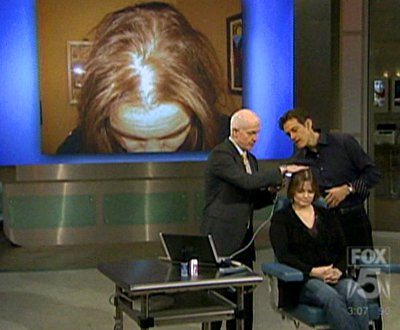
Dr. Mehmet Oz invited Dr. Bernstein to appear on his show, the Dr. Oz Show, where they discussed the ‘taboo’ subject of hair loss in women. Dr. Bernstein also demonstrated how he uses a densitometer to evaluate the hair loss of a female audience member.
 Our friends at the Hair Transplant Network have posted a 3-part video interview with Dr. Bernstein on YouTube. Click here to watch.
 Dr. Bernstein was interviewed on the Howard Stern Show for a Howard 100 News Brief about hair transplantation.
George Takei — originally of Star Trek fame and currently an announcer for the show — had recently described his ‘pluggy’ transplant from 1980s in an interview on the show.
 The American consumer’s best source for finding top medical specialists — Castle Connolly’s America’s Top Doctors — recently published its 8th Edition.
Dr. Bernstein is included for his work in hair restoration and hair transplants.
 O, The Oprah Magazine has a feature on hair loss in women in their March 2010 issue. Dr. Bernstein was consulted for the article and discussed female hair transplantation.
“Since female hair loss is often diffuse, only about 20 percent of female patients with thinning hair are candidates, says Robert Bernstein, MD, a New York City dermatologist who specializes in these surgeries.”
 Asylum.com reporter Brett Smiley interviewed Dr. Bernstein to get his take on hair loss and the balding pattern known as a “power alley”:
“Power alley is an accurate term for that type of balding,” says Dr. Robert M. Bernstein, a clinical professor of dermatology at Columbia University and world-renowned hair-transplant surgeon. “It’s Norwood Class III balding, which is the most common type.”
 Dr. Robert M. Bernstein was interviewed for a segment on The Today Show on the subject of eyelash enhancement and use of the eyelash medication Latisse. Dr. Bernstein first appears about two minutes into the clip. View the complete video.
Eyebrow transplant procedures are growing in popularity. More women are realizing how much damage they can cause to their appearance by overplucking, shaping, and over-styling their eyebrows. Today, the New York Times reports on the trend of repairing eyebrows with hair transplant techniques and the use of camouflage products to cover up eyebrows that have been “tamed into oblivion.”
As the article’s headline declares, it is time to call in the professionals. The author of the article, Ms. Catherine St. Louis, turns to hair transplant pioneer Dr. Robert M. Bernstein for guidelines on performing a cosmetically-pleasing eyebrow transplant.
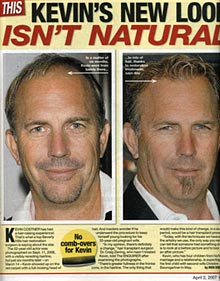
Celebrity hair loss is becoming an increasingly hot topic in the media. The continuing demands on celebrities to keep their good looks, seems to be of great interest to the tabloids. This is evidenced by the recent interest in the hairlines of stars like John Cleese, Mel Gibson, John Travolta, Kevin Costner, Dennis Miller, Tom Arnold, Johnny Depp, Jude Law, David Beckham, Matt Lauer, Tiger Woods, Tom Brady, and many others.
Interest in celebrity hair transplants is not just reserved for film and TV stars, but for all kinds of professions in the public eye. Read on for the full article about celebrity hair transplant procedures.
 Dr. Eric S. Schweiger, an Associate at Bernstein Medical – Center for Hair Restoration, was interviewed recently for an article in the Wall Street Journal.
The article — Can Lasers Stimulate a Hair-Growth Spurt? — discusses the efficacy of the HairMax LaserComb and low level laser therapy (LLLT) and also touches on Dr. Schweiger’s main area of expertise, the diagnosis and treatment of hair loss in women.

Dr. Bernstein was interviewed on the Fox News program “Fox and Friends” over the weekend. He discussed hair loss, hair transplant surgery, propecia hair loss medication, hair plugs, and more. Watch the full video on this post.
 Dr. Bernstein has been selected to be in the New York Magazine‘s “Best Doctors” issue for 2009. His selection marks the tenth consecutive year he has been included in the special issue.
The physicians are chosen through a peer review process by Castle Connolly Medical, Ltd., publishers of the guidebook Top Doctors.
The New York Times interviewed Dr. Bernstein for a full-length article on hair loss and hair transplant options for women interested in hair restoration. The article — titled, “Tricks and Transplants for Women’s Hair Loss” — covered modern hair transplantation techniques, hair transplant costs, camouflage techniques, and more.
 Dr. Bernstein discusses the technique of follicular unit hair transplantation in a Fox News segment on hair loss and hair transplantation.
In the video, he discusses the use of the follicular unit hair transplant (FUT) procedure to correct hair loss and camouflage scarring that resulted from the surgical removal of a large skin cancer on the patient’s scalp.


Before / After Hair Restoration
What thoughts go through the head of your average hair loss sufferer before, during, and after a hair transplant?
The answer to that question may now be revealed. ABC News correspondent Cari Nierenberg and associate producer Ryan Stevenson take us directly into the mind and life of Bernstein Medical patient Adam Khoudja in a three-part video diary and feature on hair loss and hair restoration.
Announcer: PRWebPodcast.com, visiting with newsmakers and industry experts.
Interviewer: I am here today with Dr. Robert M. Bernstein, Clinical Professor of Dermatology at Columbia University and founder of Bernstein Medical – Center for Hair Restoration in New York. Dr. Bernstein is the co-author of the highly anticipated Hair Loss & Replacement for Dummies book. Welcome, Dr. Bernstein.
Dr. Bernstein: Good morning, thank you for having me.
Interviewer: Dr. Bernstein, why don’t you tell us a little bit about the book?
Dr. Bernstein: Sure. We wrote Hair Loss & Replacement for Dummies for anyone who wants to learn more about hair loss and its treatment. In the book, Dr. Rassman and I not only discuss common balding, but we cover a host of other conditions that can all lead to the loss of one’s hair. In the book, we give readers a basic understanding of hair and offer tips for taking better care of both the hair and scalp. Most importantly, the book describes the most up-to-date treatments for both male and female pattern hair loss.
Interviewer: This sounds interesting, why did you and Dr. Rassman decide to write the book?
Dr. Bernstein: Well, hair loss affects so many men and women. There is lots of information available on the web, but much of it is unreliable and the medical literature is often a bit too technical for the average reader. We wanted to provide a resource that was factual and comprehensive but, at the same time, very easy to understand. Hopefully, this book will allow those experiencing hair loss to be able to get straightforward, honest information and be able to make informed decisions if they require treatment.
Renowned hair restoration surgeons Robert M. Bernstein, M.D., F.A.A.D., and Dr. William Rassman, have co-authored the first authoritative, but user-friendly guide, to help both men and women understand hair loss, its prevention, and their medical and hair transplant options. The book, published by John Wiley & Sons, Inc., is set for a December 3 publication date. Titled Hair Loss & Replacement for Dummies, the book follows in the tradition of the other informative books in the popular For Dummies series.
Dr. Bernstein is the author of numerous medical publications on hair restoration, which can be found at www.bernsteinmedical.com.
Those who follow the current trends in hair restoration and hair transplant procedures know Dr. Bernstein for his pioneering work in the development of the Follicular Unit Transplantation procedure which has revolutionized the treatment of hair loss. Recently awarded a certificate of achievement from Columbia University, he has been named one of New York Magazine’s “The Best Doctors in New York” for the ninth consecutive year.
Hair Loss & Replacement for Dummies is filled with important information for men and women of virtually all ages anxious to preserve their full head of hair, put the brakes on balding, or explore the safest and most reliable hair replacement techniques currently available. The book offers readers not only the full gamut of modern-day hair-care options but crucial tips on how to avoid unscrupulous hair transplant doctors and potentially harmful products as well.
 Robert M. Bernstein, MD, has been selected as one of New York Magazine‘s “Best Doctors” for the ninth year in a row. He is the only hair restoration surgeon honored to be included in this list of prominent physicians for nine consecutive years.
The physicians are chosen through a peer review process by Castle Connolly Medical, Ltd., publishers of the guidebook Top Doctors.
The Oprah Winfrey Show features Dr. Bernstein discussing his pioneering follicular unit hair transplant procedure, focusing on the newest diagnostic and treatment techniques for hair restoration.
Dr. Mehmet Oz (health expert on The Oprah Winfrey Show) presents video footage of Dr. Bernstein performing a hair transplant and then invites the patient live onstage to be inspected by Oprah.
 Columbia University Medical Center has awarded Dr. Bernstein, Clinical Professor of Dermatology, a “Certificate of Appreciation” for sustained contributions to the academic programs of the Department of Dermatology at the renowned university.
The Department stated that they were, “deeply grateful for your continuing support of Columbia’s academic programs and of graciously giving your time and sharing your wisdom with the house staff and medical residents.”
 Kyan Douglas, the resident grooming expert for ‘Queer Eye,’ brings Jeff L. and his best friend — both of whom were concerned about their thinning hair — to see Dr. Bernstein at the Bernstein Medical – Center for Hair Restoration.
 BernsteinMedical.com was recently recognized by the World Wide Web Health Awards as one of the Internet’s best health resources. The site was acknowledged for outstanding health information based on accuracy, usability, and overall quality.
 Robert M. Bernstein, MD has been selected as one of New York Magazine’s “Best Doctors” for the eighth year in a row. He is the only hair restoration surgeon honored to be included in this list of prominent physicians for eight consecutive years.
The physicians are chosen through a peer review process by Castle Connolly Medical, Ltd., publishers of the guidebook Top Doctors.
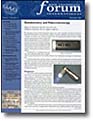 The lead article in the March/April 1997 issue of Hair Transplant Forum International focuses on the latest tools available for assessing whether or not a person experiencing hair loss is a good candidate for hair transplant surgery.
Dr. Bernstein uses the techniques of densitometry and video-microscopy to analyze the scalp under high-powered magnification. This gives the doctors vital information for making decisions about whether patients are candidates for hair transplant surgery.
Dr. Bernstein took part in a PRWeb podcast about hair transplantation in June 2007. Stream the discussion below or view the full post to read the transcript:
The Trustees of Columbia University have named hair transplant pioneer Dr. Bernstein Clinical Professor of Dermatology. This promotion was based on Dr. Bernstein’s teaching, lectures, research, original scientific papers, and outstanding patient care.
 Bernstein Medical – Center for Hair Restoration has moved to a new, state-of-the-art facility in mid-town Manhattan. The office is centrally located in the Park 55 building at 110 East 55th Street.
The new office is specially engineered for performing our pioneering follicular unit hair transplant procedures and innovative corrective surgery with custom surgical suites for patient comfort and operational efficiency.
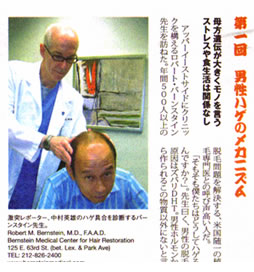 NY Japion — a weekly newspaper in the Japanese language, published in the New York tri-state area, and distributed for free in the Japanese community — has featured Robert M. Bernstein, MD, in their series on hair loss in men and women.
In the series, TV producer, Hideo Nakamura, who is bald himself, goes on a mission on behalf of fellow bald men. His column hopes to help others with hair loss to have a more fulfilled, fun life and to raise their self-esteem.
 Robert M. Bernstein, MD has been selected as one of New York Magazine’s “Best Doctors” for the seventh year in a row.
This special annual issue in New York Magazine, June 13, 2006, presents the findings of Castle Connolly Medical Ltd., publishers of the guidebook, Top Doctors: New York Metro Area.
Dr. Bernstein is the only hair restoration surgeon honored to be included in this list of prominent physicians for seven consecutive years.
The physicians are chosen through a peer review process by Castle Connolly Medical, Ltd., publishers of the guidebook Top Doctors.
 Dr. Bernstein, a renowned teacher, lecturer, and surgeon, is bringing his state-of-the-art hair restoration techniques directly to patients. His lecture on Follicular Unit Transplantation (FUT) includes a historical review of hair transplant techniques, from the out-dated “hair plugs” and “cornrows” to refined FUT procedures. Watch the lecture to see images of surgical tools, illustrations of surgical techniques, and before and after patient photos.
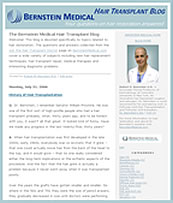 Hair transplant surgeon Robert M. Bernstein M.D. joins the blogosphere to discuss hair transplantation and help dispel the myths about hair loss and its treatment.
The blog serves as a clearinghouse for important concerns of both men and women suffering from hair loss.
Here is one exchange from the interview:
 Moderator: How one can tell the difference between hair loss from hormonal imbalances and common baldness?
Dr. Bernstein: Measuring hormone levels alone, although important for medical management, does not necessarily reveal whether the cause of the hair loss is actually hormone related or is genetic. The diagnosis is made by examining the scalp and looking at the hair under close magnification using an instrument called a “Densitometer.”
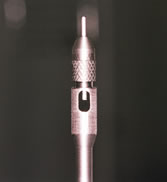
In a new article appearing on the cover of Hair Transplant Forum International, the official publication of The International Society of Hair Transplant Surgeons (ISHRS), pioneering hair transplant surgeon Robert M. Bernstein MD, along with his colleague Dr. William R. Rassman, recently revealed details about a “New Instrumentation for Three-Step Follicular Unit Extraction.”
 In a recent article “The Secrets to Hiding Celebrities’ Hair Loss,” published in the New Jersey newspaper, The Bergen Record, author Abigail Leichman pondered the variety of techniques used by celebrities to battle hair loss.
Articles such as these put a spotlight on the fairly recent phenomenon of celebrity hairline watching that has sprouted up in the media and on the web.
 Follicular Unit Forum is unique in that it affords visitors an opportunity to anonymously ask questions about the “ins and outs” of hair transplant surgery, of those who actually have had the state-of-the-art Follicular Unit Hair Transplant procedures.
Questions are posted to people who have actually undergone hair restoration procedures. Individuals who are considering a surgical solution to their hereditary baldness are able to search through “threads” or conversations that will answer their most pressing concerns such as; what to expect before, during and after a hair transplant, and what kind of procedure one should have.
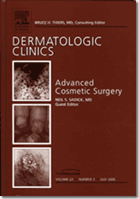 “Dermatologic Clinics” is a hard-cover quarterly peer review publication with comprehensive, state-of-the-art information by experts in the field of dermatology. In a 2005 issue entitled “Advanced Cosmetic Surgery”, Dr. Bernstein is lead author of the article: “Follicular Unit Transplantation: 2005.”
This valuable contribution to the field of surgical hair restoration explores techniques and best practices of the surgical procedure known as Follicular Unit Transplantation that Dr. Bernstein pioneered and is now considered the state-of-the-art in hair transplant surgery.
 “Over the past 10 years we’ve developed a new procedure called follicular unit transplantation, where hair is transplanted exactly the way it grows,” said Dr. Robert Bernstein […] This new technique replaces the plugs — groups of hairs inserted into round holes in the scalp — used in the early days of hair transplant procedures. It is now known that hair grows in groups of one to four hairs.
 Surgery of the Skin: Procedural Dermatology; published in 2005 by Elsevier-Mosby and Edited by Robinson, Hanke, Sengelmann and Siegel; is monumental work that covers the entire spectrum of dermatologic surgical procedures.
Dr. Bernstein was honored to write the chapter on hair transplantation, with a focus on Follicular Unit Transplantation (FUT), the technique that has changed the face of surgical hair restoration over the past decade.
The chapter discusses strip harvesting, follicular unit extraction, the use of anesthetics, ways to optimize density and ensure the naturalness of the procedure, as well as a host of other important topics.
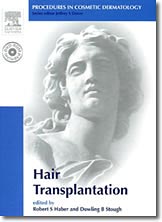 “Hair Transplantation” is a part of a series of medical textbooks — Procedures in Cosmetic Dermatology, published by Elsevier Saunders — which offers step-by-step, practical guides to performing cutaneous surgical procedures.
In “Hair Transplantation,” Dr. Bernstein co-authored the chapters on Follicular Unit Transplantation and Follicular Unit Extraction, covering the philosophy, basic science, and techniques in a practical clinical format.
The book’s editors selected Robert M. Bernstein as a major contributor, as Dr. Bernstein was uniquely qualified to provide medical professionals with insight and training on the state-of-the-art in hair transplant surgery.
Excerpt from the interview:
 Julie Chen: Dr. Bernstein, I want to go through all the options that are available for women, but what is the difference between female and male hair loss option-wise. What can we do to treat it?
Dr. Bernstein: The main difference medically is that women have hair loss often from hormonal changes and it’s due to an imbalance between progesterones and estrogens. That equilibrium can be reestablished with medication. Often birth control pills can do that.
“Good Morning America” interviewed Dr. Bernstein in their two-part series on hair transplant surgery. Below is an excerpt from the interview:
 Charles Gibson: Are there good candidates and bad candidates for this?
Dr. Bernstein: Yes. And actually people that wear hairpieces are sometimes tricky because their baseline is a full head of hair, so one of the important things that we had to discuss in the first consult was what his expectations were and whether he realized that a transplant wouldn’t give him the fullness of a hairpiece, but of course, it would look much more natural.
The Discovery Channel interviewed Dr. Bernstein for a piece on hair transplant repair. Below is an excerpt from the interview:
 Dr. Bernstein: When I first saw Ken in 1995. He still had the traditional plugs, and I would say on a scale of one to ten, he was maybe a seven, with ten being the worst. We performed a procedure called follicular unit transplantation where hair is transplanted in exactly the way it grows in nature, which are little tiny groups of one to four hairs.
Ken Gold: After the first surgery I was just ecstatic because I was actually able to look at myself in the mirror.
 In giving Dr. Bernstein the 2001 Platinum Follicle Award, the President of the ISHRS said:
“I proudly present the 2001 Platinum Follicle Award to Robert M. Bernstein, MD. Dr. Bernstein has contributed to the field of hair transplantation in dramatic and substantial ways, revolutionizing the advancement of Follicular Unit Hair Transplantation. His published articles have become ‘Bibles’ for this methodology.”
 Dr. Bernstein received the 2001 HairSite.com award for excellence in hair transplantation. “Dr. Bernstein is one of the most sought after hair transplant surgeons in the United States. He is one of the very few in the industry who is still involved in scientific and clinically related hair restoration research while engaging in hair transplant practice.”
 The innovations Dr. Bernstein has described through his medical publications are now a part of history. In the Millennium Paper of the journal Dermatologic Surgery, a comprehensive history of the field of dermatologic surgery cites Dr. Bernstein as being one of the three physicians who played a leading role in hair transplantation in the 1980′s and 1990′s.
 “We felt it was necessary to clearly define follicular unit hair transplantation and mini-micrografting cut to size,” explained Dr. Bernstein, Assistant Clinical Professor of Dermatology, College of Physicians and Surgeons, Columbia University, New York. “Follicular unit transplantation has many theoretical advantages… having standardized definitions of these hair transplantation techniques will allow us to make valid comparisons.”
Dr. Bernstein said the elements defining follicular unit hair transplantation include exclusive transplantation of hair in its naturally occurring individual follicular units…
 The dissecting microscope takes some getting used to, but using it makes more efficient use of donor hair during follicular unit transplantation than magnifying loupes with transillumination, reported Dr. Robert Bernstein.
At the 6th Annual Meeting of the International Society of Hair Restoration Surgeons held in Washington, D.C. in 1998, Dr. Walter Unger (defending the “old guard”) debated Dr. Bernstein (representing the new technique of Follicular Unit Transplantation) in front of an audience of over 450 hair restoration surgeons from around the world. Dr. Unger took the position that large grafts still had a place in surgical hair restoration, particularly for creating density. Dr. Bernstein took the position that the new procedure of Follicular Unit Transplantation could create that density while at the same time achieving a completely natural look — something large graft procedures were incapable of doing. He argued that the versatility and naturalness of Follicular Unit Transplantation rendered the older procedures obsolete.
 Dr. O’tar Norwood discusses the origin of follicular transplantation, and the influence that Dr. Bernstein’s research and publications have had on the evolution of the hair transplant procedure. Read a segment of the article:
The evolution of “follicular transplantation” can be attributed to three people. Dr. Robert Bernstein coined the phrase and advanced the concept. Dr. Bob Limmer introduced the use of the binocular microscope, providing the technology, and Dr. David Seager showed by direct hair counts, comparing the growth of grafts cut with and without the microscope, how the hair growth was improved when the follicular unit was kept intact.
 Dr. Bernstein receives the Surgeon of the Month award given by the International Society of Hair Restoration Surgery. Dr. Bernstein introduced the concept of “follicular transplantation” in 1995 through a publication in the International Journal of Aesthetic and Restorative Surgery, where he recommended that in all hair transplant procedures the implants should consist of only the naturally occurring follicular units. The anatomic follicular units, seen clinically as the patient’s natural hair groupings, are different for each individual, and these differences should be reflected in the transplant plan. He has been a strong advocate of using follicular transplantation for the best possible cosmetic result, and has encouraged his colleagues to use this approach in his writings and lectures.
The following is a portion of “An Idea Whose Time Has Come,” an editorial written by O’Tar T. Norwood, MD — founder of the Norwood Classification System for Hair Loss — and published in the May/June 1997 issue of “Hair Transplant Forum International”:
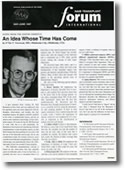 I just returned from visiting Dr. Bob Bernstein in New York, and was impressed with his operation and even more impressed with his thoughts, observations, and insights into hair transplant surgery. He applies scientific methods to his work, is academically honest, and has an almost eerie instinctive knowledge of hair transplant surgery. Of course he has Dr. Bill Rassman to work with, but it is still remarkable. Dr. Bernstein is best known for introducing follicular transplantation to hair transplant surgery, an idea Bob Limmer has been pushing for ten years with the use of the binocular microscope, but no one would listen to him. Dr. Limmer, however, never used the term follicular transplantation. Using the microscope, you automatically dissect the follicular units. It can’t be avoided if done properly.

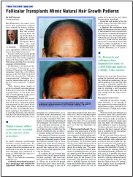
Cosmetic Surgery Times features Dr. Bernstein’s presentation to the 55th annual meeting of the American Academy of Dermatology in their April 1997 issue.
The article describes Dr. Bernstein’s introduction of the concept of Follicular Unit Transplantation to the academy as well as the keys to making the technique successful. From the article:
“‘Hair doesn’t grow singly it grows in naturally occurring groups of from one to four hairs. In follicular transplantation, we use these naturally occurring groups as the unit of the transplant,’ he told CST.
Although the procedure is highly labor intensive, it can actually be less expensive than conventional hair replacement surgery, because it can be performed in a single, but lengthy, session.
‘It is also much more efficient and conserves donor hair much better than conventional hair transplants. Every time you make an incision in the person’s scalp you waste some hair and make the remaining hair more difficult to remove. Accessing the donor area just once or twice will increase the total amount of hair that is available for the transplant,’ Dr. Bernstein told CST.”