Hair loss is one of the most common concerns men face, and one of the leading causes is male pattern baldness. Also called androgenetic alopecia, this condition is hereditary and can start earlier than many expect. Some men notice the first signs in their late teens or twenties, while others begin to experience changes in their thirties or forties.
Understanding the early signs of male pattern baldness and learning how to slow the progression is the best way to preserve hair density and prevent more significant thinning later on.
What Is Male Pattern Baldness?
Male pattern baldness is influenced by genetics and hormones called androgens. Over time, these hormones cause hair follicles to shrink, producing thinner and shorter hair. Eventually, the follicles may stop growing new hair altogether.
While the condition is progressive, catching it in the early stages opens the door to treatments that can protect existing hair and encourage regrowth.
Early Signs of Male Pattern Baldness
Male pattern baldness does not happen overnight. Instead, it progresses gradually, with several warning signs:
- Receding Hairline: Hair begins to thin at the temples, often forming an “M” shape as it moves backward.
- Thinning at the Crown: Hair on the top of the head loses density, making the scalp more visible.
- Widening Part: Men who wear their hair longer may notice their part getting broader over time.
- Increased Shedding: Losing more than 100 hairs per day consistently can indicate the beginning stages of male pattern baldness.
- Slower Regrowth: When hairs fall out, it takes longer to grow back in areas affected by androgenetic alopecia.
Not everyone experiences the same pattern, but noticing one or more of these signs is often the first indicator that intervention is needed.
How Early Does Male Pattern Baldness Start?
Male pattern baldness can begin as early as the late teenage years. In fact, studies show that around 25% of men with the condition start losing hair before the age of 21. By the age of 35, two-thirds of men will experience some level of thinning, and by 50, roughly 85% will show visible signs.
Family history plays the biggest role in when and how baldness develops. If relatives experienced early balding, you are more likely to see similar changes.
How to Stop Early Male Pattern Baldness
Although male pattern baldness is hereditary and cannot be completely prevented, there are effective treatments that can slow or even stop progression. Acting early is key.
Medications
- Minoxidil (oral or topical “Rogaine”): A treatment that stimulates hair follicles and encourages regrowth. It promotes hair to remain in the anagen growth phase of the hair cycle.
- Finasteride (Propecia): An oral prescription that reduces levels of DHT, the hormone responsible for shrinking or “miniaturizing” follicles.
Both treatments are most effective when started at the first signs of hair loss.
Platelet-Rich Plasma (PRP) Therapy
PRP therapy involves drawing a sample of blood, processing it to concentrate platelets which contain growth factors, and injecting it into the scalp. These growth factors stimulate dormant follicles and improve overall hair thickness
Alma Ted Procedure
Alma TED is a needle-free, non-invasive treatment for hair thinning that utilizes ultrasound and air pressure to deliver peptides and growth factors deep into the scalp. This innovative approach stimulates hair follicles, reduces shedding, and promotes a thicker, healthier head of hair, without pain or downtime.
Hair Transplant Surgery
For men with more advanced thinning, surgical options provide permanent results. Medication is often still advised to prevent ongoing thinning in the years ahead despite performing surgery. Two common hair transplant techniques include:
- Follicular Unit Extraction (FUE): Individual follicles are harvested and transplanted to thinning areas.
- Follicular Unit Transplantation (FUT): A strip of scalp with healthy follicles is removed and dissected into grafts for transplantation.
Both approaches restore natural-looking density and are tailored to the individual’s pattern of hair loss.
Lifestyle Habits That Support Hair Health
Although genetics are the driving factor, lifestyle choices can influence how quickly hair thins and how healthy it appears. Good habits include:
- Nutrition: Eat a balanced diet with plenty of protein, iron, zinc, and vitamins like biotin and vitamin D.
- Stress Management: Chronic stress can worsen hair loss by pushing more follicles into the shedding phase.
- Scalp care: Keeping the scalp clean and healthy reduces buildup that can interfere with follicle function.
- Avoiding harsh styles: Hairstyles that pull tightly, such as braids or ponytails, can cause traction alopecia and worsen thinning.
When to Seek Professional Help
If you notice a receding hairline, thinning crown, or excessive shedding that continues for several months, it’s time to seek evaluation. A professional can determine whether you’re experiencing male pattern baldness or another condition, such as telogen effluvium or alopecia areata.
Because male pattern baldness is progressive, early intervention offers the best chance of maintaining your current density and slowing further loss.
Get Early Male Pattern Baldness Treatment at Bernstein Medical
Early male pattern baldness can be discouraging, but identifying the signs and seeking treatment quickly can make a significant difference. From FDA-approved medications like minoxidil and finasteride, growth factor treatments like PRP and ALMA-TED, or surgical procedures such as FUE and FUT, effective solutions are available to help slow progression and restore confidence.
If you are noticing changes in your hairline or crown, don’t wait until thinning becomes advanced. Take the first step toward restoring your confidence by scheduling a consultation with Bernstein Medical – Center for Hair Restoration.
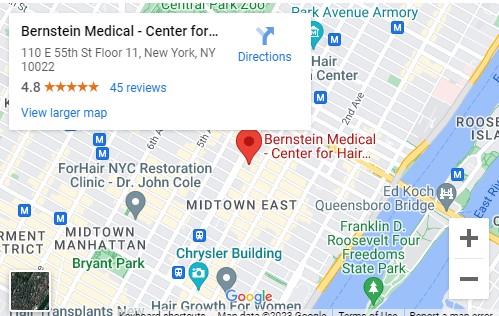
Call (646) 480-1813 or email contact@bernsteinmedical.com to book your appointment today. Our office is located at 110 E. 55th Street, 11th Floor, between Park Avenue and Lexington, New York, NY 10022, making it easy to access expert care in the heart of Manhattan.