August was declared National Hair Loss Awareness Month by the American Academy of Dermatology (AAD) in 2001 in order to raise the public’s awareness of hair loss as a common problem affecting millions of men and women. In appreciation of this cause, Bernstein Medical – Center for Hair Restoration has launched a fundraiser for the International Society of Hair Restoration Surgery‘s (ISHRS) pro bono program, ‘Operation Restore.’ This program provides free hair transplants for those who experience localized hair loss due to trauma or illness.
Raising Awareness of Women’s Hair Loss
Now is the ideal time to bring awareness to women’s hair loss as the stigma of the topic has begun to diminish. Women’s hair loss is now frequently discussed in the media including television programs like the Dr. Oz Show and The Doctors, and in magazines such as Vogue, Cosmopolitan, The Wall Street Journal, New York Magazine, and New York Post.
Background
Androgenetic alopecia (common genetic hair loss) accounts for more than 95% of hair loss in both men and women. While some falsely believe that women do not experience hair loss, about 40 million women in the US alone are affected by hair loss, along with about 60 million men.
Other causes of hair loss include surgical and non-surgical trauma, congenital defects, auto-immune disease, and other medical illnesses. Radiation and cytostatic drugs or other forms of chemotherapy used in cancer treatments also causes hair loss. In cases where hair loss is localized, surgical hair restoration may provide benefit.
Our Cause
We understand the emotional toll hair loss can have on the individuals affected, especially when dealing with their other medical problems. Operation Restore and Bernstein Medical aim to help those who may benefit from hair transplant surgery by assisting in this process and covering expenses.
Dr. Bernstein has worked to advance the techniques of hair restoration and have helped tens of thousands of patients around the world. His pioneering work continues to make hair loss and its treatment more socially acceptable.
Click here to donate to Operation Restore! Bernstein Medical will match all donations made during this fundraising campaign. To qualify for the match, please ensure that you list “Bernstein Medical” in the “This Donation is Being Made on Behalf of:” box. Thank you for your support!
Posted by
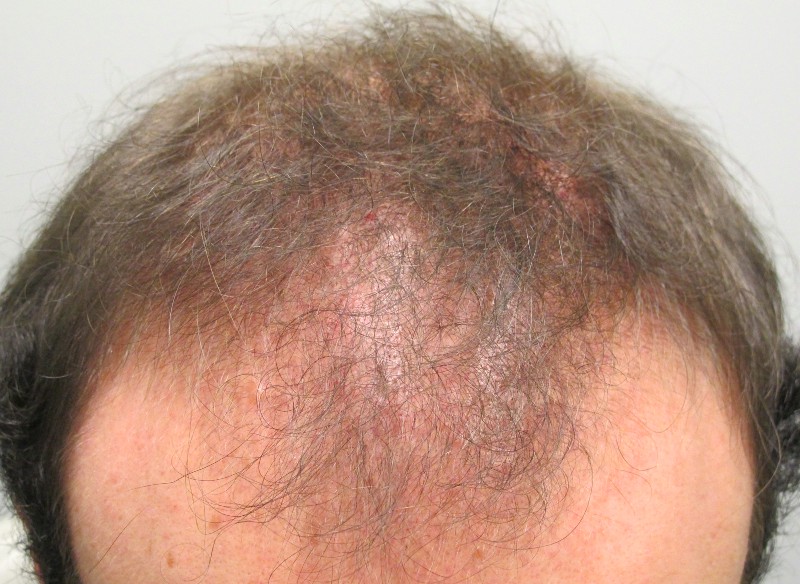 LPP in Male Pattern Alopecia