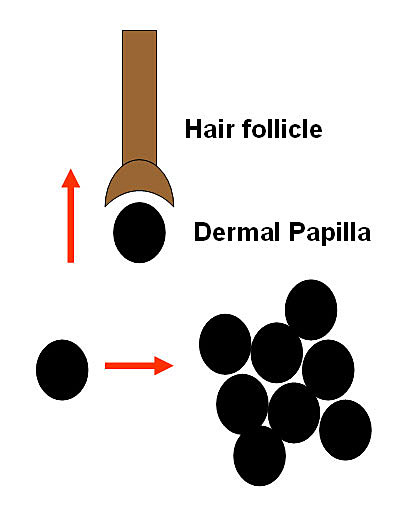
Hair cloning is based on the ability of the dermal papilla (DP) cells, found at the bottom of hair follicles, to stimulate new hairs to form.
DP cells (fibroblasts) can be grown and multiplied in culture so that a small number can produce enough hair follicles to cover an entire bald scalp.
While considerable work remains on turning hair cloning methods into a viable treatment for hair loss, there are four experimental techniques described in a 2008 paper in Hair Transplant Forum International — the primary medical journal in the field of hair transplantation — that shed some light on how cloning could become a viable treatment in hair restoration. Read more:
Four Main Experimental Techniques*
- Implant Dermal Papillae Cells Alone
- Implant Cloned Dermal Papillae Cells Next to Miniaturized Follicles
- Implant Dermal Papillae Cells with Keratinocytes (“Proto-Hairs”)
- Implant Cells Using a Matrix
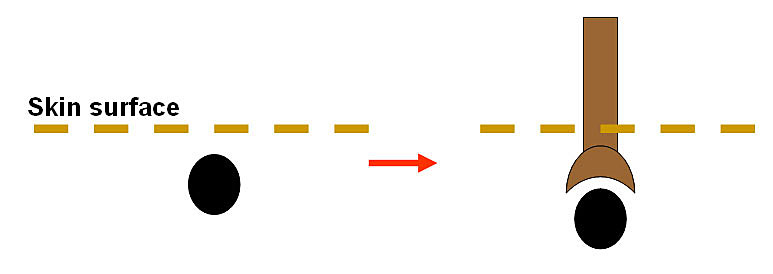
1. Implant Dermal Papillae Cells Alone
- Implant DP cells into the dermis
- Cause the overlying skin cells (keratinocytes) to be transformed into hair follicles
- Referred to as “Follicular neo-genesis” since new hair is formed on previously bald scalp
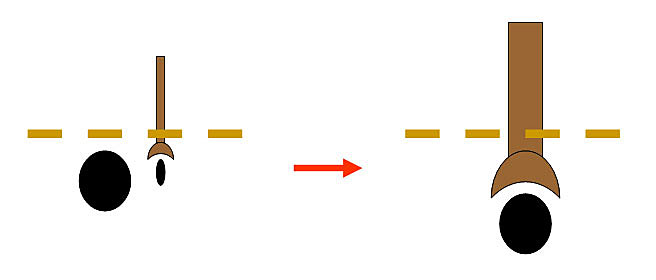
2. Implant Cloned Dermal Papillae Cells Next to Miniaturized Follicles
- DP cells induce the keratinocytes of the miniaturized follicles to grow into terminal hairs
- Advantage: existing miniaturized follicles already have the proper structure and orientation to produce a natural look
3. Implant Dermal Papillae Cells with Keratinocytes (“Proto-Hairs”)
- Keratinocytes and DP cells are cultured together until partial hair formation takes place
- These culture-grown hairs (“proto-hairs”) are implanted in the skin
- Advantage: better hair direction because of the orientation of the proto-hair
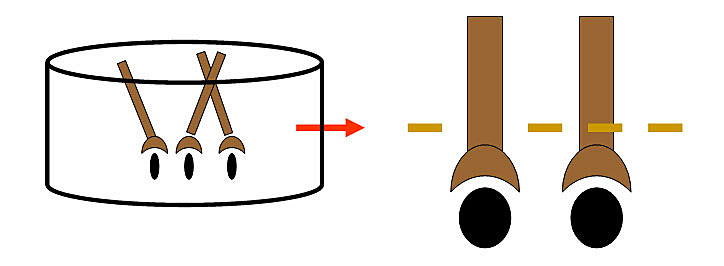
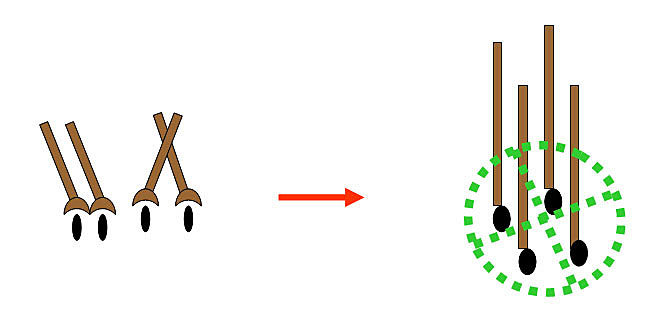
4. Implant Cells Using a Matrix
- DP cells alone or in combination with keratinocytes are placed in a matrix of collagen or synthetic materials
- Matrix acts like a scaffold to help cells organize to form a follicle and direct its growth
* Teumer J. Strategies for follicular cell implantation. Hair Transplant Forum International 2008.