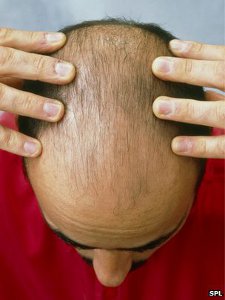
A study published in the December 2015 issue of the Journal of Clinical and Aesthetic Dermatology suggests that Viviscal, an oral supplement designed for women with thinning hair, may promote hair growth. ((Ablon G, Dayan S. A Randomized, Double-blind, Placebo-controlled, Multi-center, Extension Trial Evaluating the Efficacy of a New Oral Supplement in Women with Self-perceived Thinning Hair. J Clin Aesthet Dermatol. 2015 Dec;8(12):15-21.)) The researchers noted a 79 percent increase in healthy, terminal hairs and an almost 12 percent increase in hair diameter in female patients who took the supplement for six months. The evidence suggests that Viviscal may be a useful supplement to current hair restoration treatments, or an alternative treatment in patients not indicated for hair transplant surgery or medical treatment with finasteride.
Background
Viviscal, produced by Lifes2good Inc., out of Chicago, Illinois, was launched in the U.S. in 2008. Its key ingredient is a proprietary mix of powders derived from sustainably-harvested shark and mollusk species. This “amino marine complex,” known as AminoMar C™, is blended with B and C vitamins, and minerals such as calcium, to make Viviscal “Professional Strength.” The active ingredients in the AminoMar complex are glycosaminoglycans (GAGs), a group of long-chain sugar molecules present in many living creatures. GAGs are especially adept at retaining water, and ingesting them may contribute to healthy hair and skin, although it is not clear if taken orally GAGs have any benefit in this regard. According to Viviscal, the beneficial effect on skin and hair of a fish- and protein-heavy diet was first observed in Inuit people in the late 1980s.
Dr. Glynis Ablon and her research team sought to determine if Viviscal “Professional Strength” tablets could successfully treat female hair loss. (The “Professional Strength” blend contains 25mg more of the AminoMar complex than the newer “Extra Strength” variety, as well as a different blend of extracts and additives.) If determined to be a viable treatment, Viviscal could be another option in an otherwise limited market of hair loss products for women. Many women with androgenetic alopecia (common genetic hair loss) are poor candidates for hair transplant surgery. Also, the use of Propecia (finasteride), the most effective hair loss medication available, is not indicated in women due to poor efficacy and the risk of potential side effects.
The Study & Findings
The study observed 40 women, aged 25-66, who self-reported some form of hair loss. An initial densitometry, to determine the progression of hair loss, was conducted on a 4cm2 target area of the frontal hairline. This was followed by the random distribution of either Viviscal or a placebo.
At 90 days on Viviscal, the researchers noted a 56% increase in terminal hairs in the target area and 10% increase in mean hair diameter. A nearly insignificant 1% rise was noted in the number of vellus hairs (non-mature or miniaturized hairs). Compared to the placebo group, the Viviscal group had 57% more terminal hairs, a 10% larger hair diameter, and 9% fewer vellus hairs.
At 180 days, compared to baseline, patients on Viviscal showed an almost 80% increase in terminal hairs, a hair diameter increase of 11.67%, and a 14% increase in vellus hairs. Compared to the placebo group at 180 days the Viviscal group had 77% more terminal hairs, an almost 10% larger hair diameter, and slightly more vellus hairs (1.5%).
Limitations of Ablon Study
The main limitation of the study lies in the potential conflict of interest between the researchers and Lifes2good. Dr. Ablon received a grant from Lifes2good as funding for the December 2015 study. In addition, no clear mechanism of action is proposed. Finally, the cause of the volunteer’s hair loss was uncertain and probably represents several different diagnoses further confounding any explanation as to why the supplements might work.
Summary
Viviscal has the potential to supplement current treatments for hair loss or provide an alternative treatment for patients not indicated for hair transplant surgery or medical treatment. It would be especially useful for female patients who have relatively limited treatment options. It may also benefit men who are not good candidates for surgery. While the research findings are compelling, more investigation is necessary into the long-term efficacy of Viviscal and the effects of glycosaminoglycans on the hair growth cycle. Further study should be conducted by independent researchers in order to avoid the perception of a conflict of interest.
Posted by


 The innovations Dr. Bernstein has described through his medical publications are now a part of history. In the Millennium Paper of the journal Dermatologic Surgery, a comprehensive history of the field of dermatologic surgery cites Dr. Bernstein as being one of the three physicians who played a leading role in hair transplantation in the 1980′s and 1990′s.